
News & Insights
Ideas and technical evidence from energy operations.
Notes from operating projects
Short technical notes on what changes when AI stops reporting and starts operating — written from project conditions, not from slides.
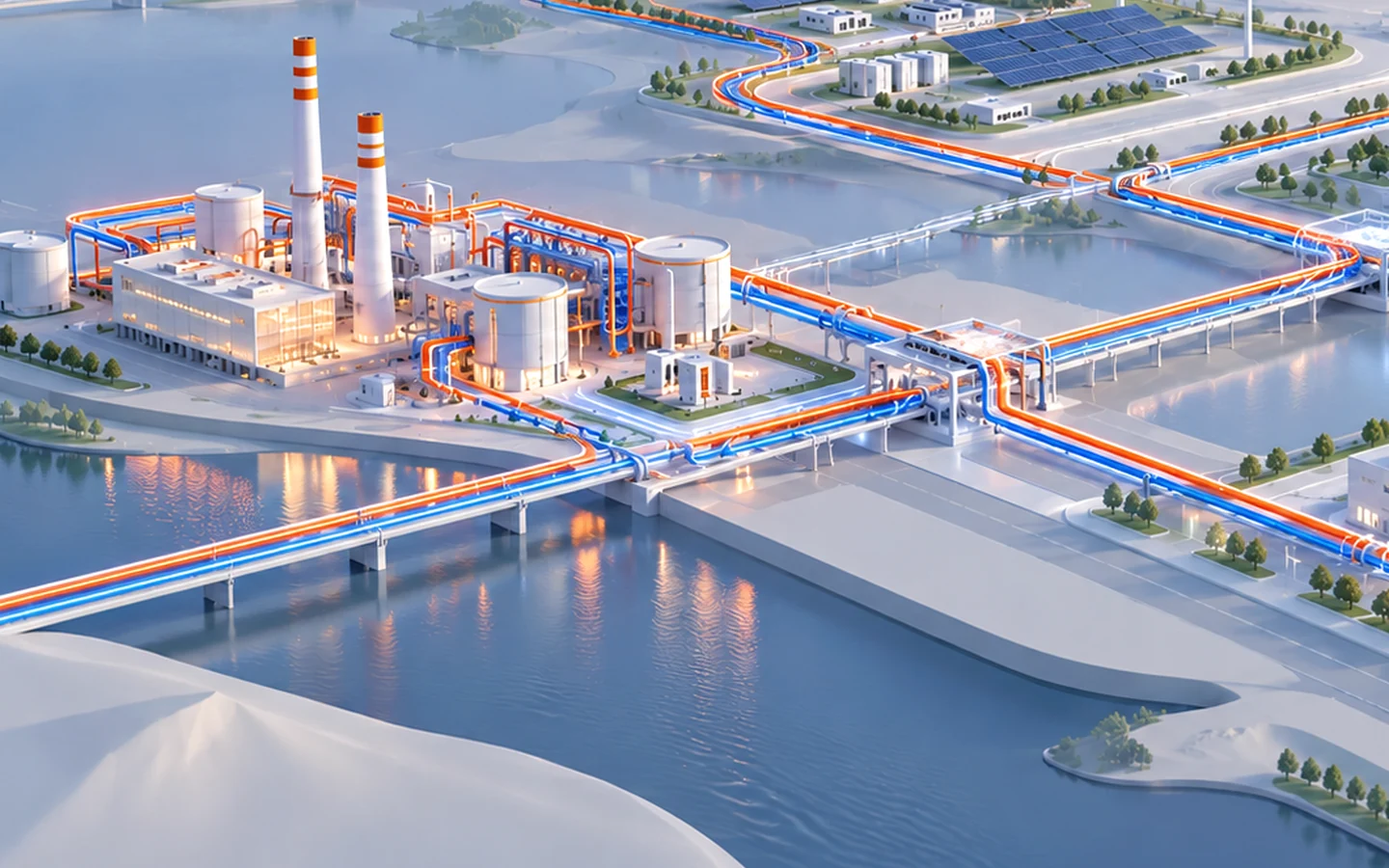
Full-season AI Heating Operations
Monitoring shows what already happened; dispatch changes the next hour. A full-season run means cold snaps, part-load nights and source switching were all handled without falling back to manual control.
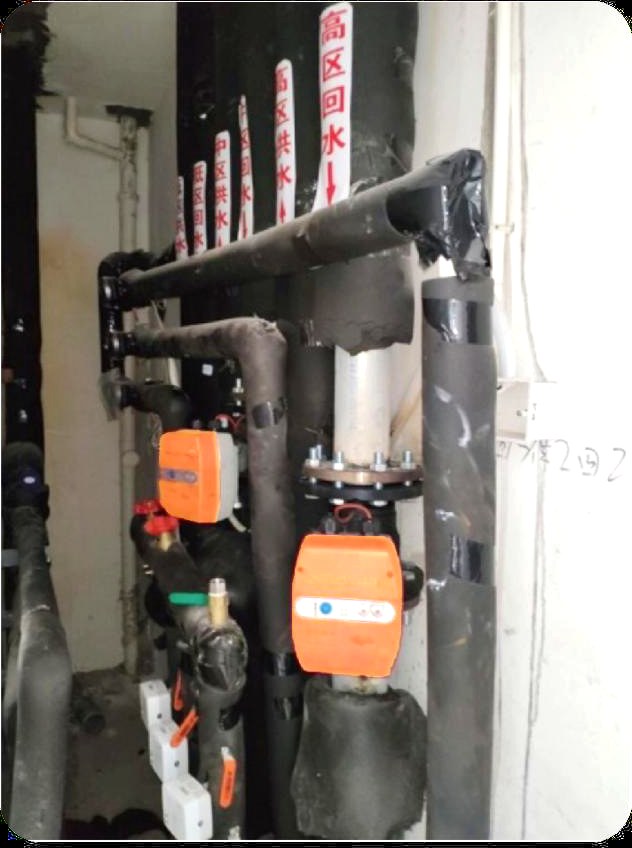
Hydraulic Group Control
Secondary networks fail on distribution rather than on total flow: some buildings are over-supplied while others stay cold. Group control computes valve targets from a spatial water balance, issues them together, then verifies after the condition settles.
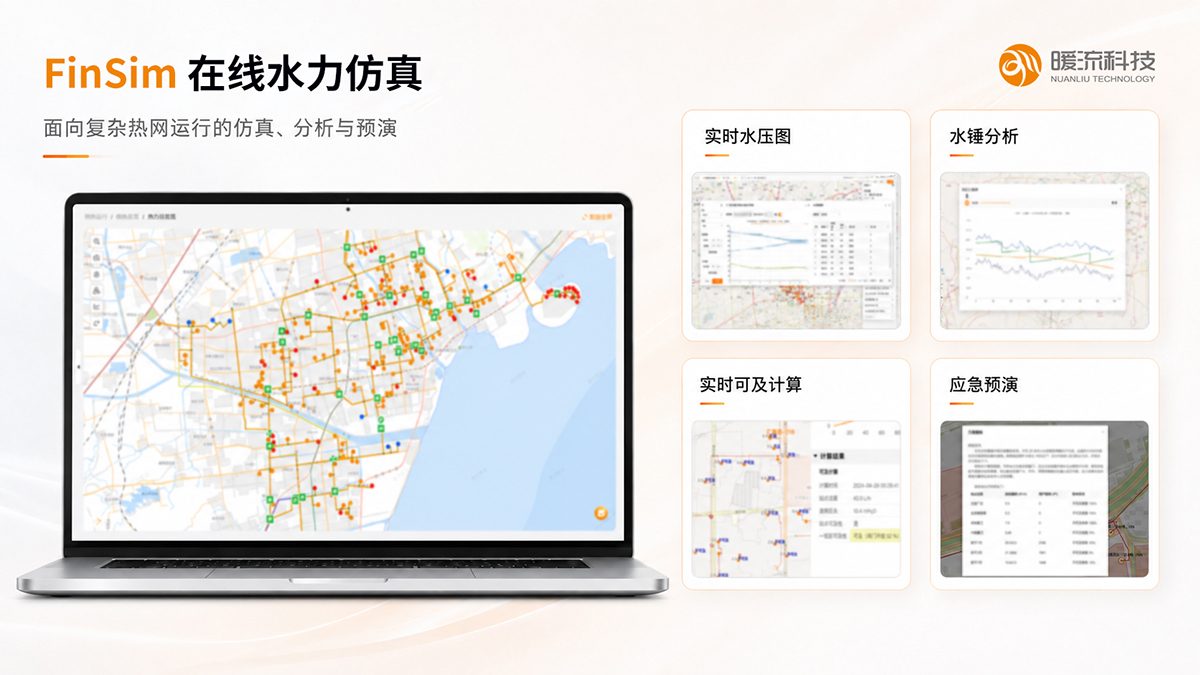
Simulation-based Dispatch
At 220 m of elevation difference, a setpoint that is safe at the source can be unsafe at the far end. Online solving is how a strategy is checked against static and dynamic pressure before it reaches the pumps.

FinCall AI Service
Calls are usually the first signal of a network problem. Intent recognition and controlled knowledge retrieval turn them into service records, work orders and inspection tasks that stay linked to the same asset.
Three kinds of note, one rule
Engineering notes explain a mechanism, project reviews report a measured result, and technical Q&A answers the questions customers actually ask. All three stay on the same rule: no figure without its measurement scope.
Engineering notes
Why a specific mechanism behaves the way it does — hydraulic imbalance in secondary networks, transient pressure after pump switching, why a design-case calculation cannot answer what to do now.
Project reviews
What was actually run, over which period, and what the project recorded. Where the scope limits the conclusion, the limit is stated with the number.
Technical Q&A
The questions that come up in almost every evaluation: how control handles safety interlocks, what happens when the model is wrong, who remains accountable for operation.
Start with a real operating challenge.
Share the network, operating constraints and control objectives. We will discuss technical fit and the required evidence.